Atlas works inside complex process environments where control performance defines production
Atlas operates within petrochemical, polymer, and specialty chemical plants, working inside existing control systems as conditions change.

These environments are defined by tightly coupled processes, where performance is determined by interactions across units rather than isolated equipment.
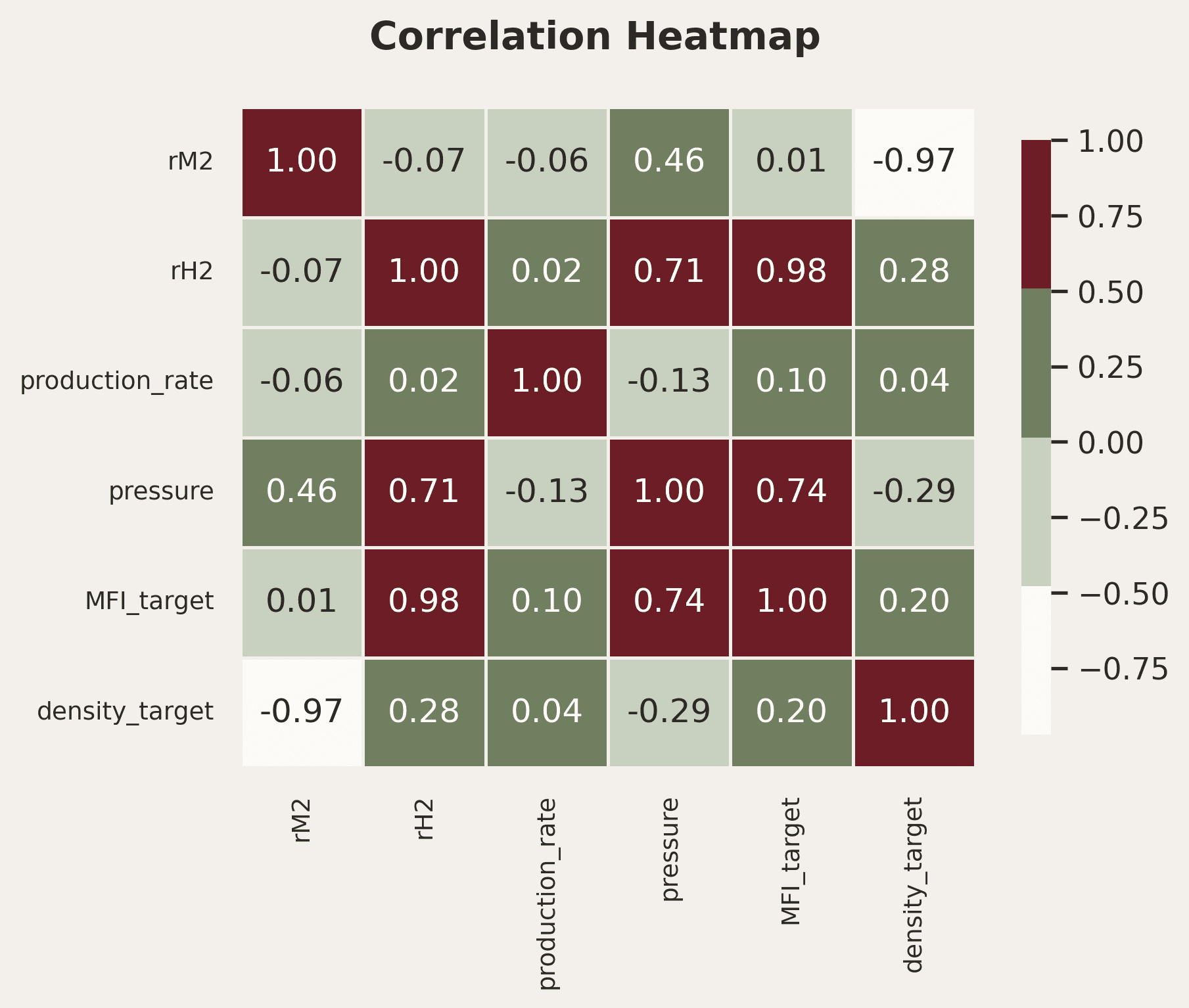
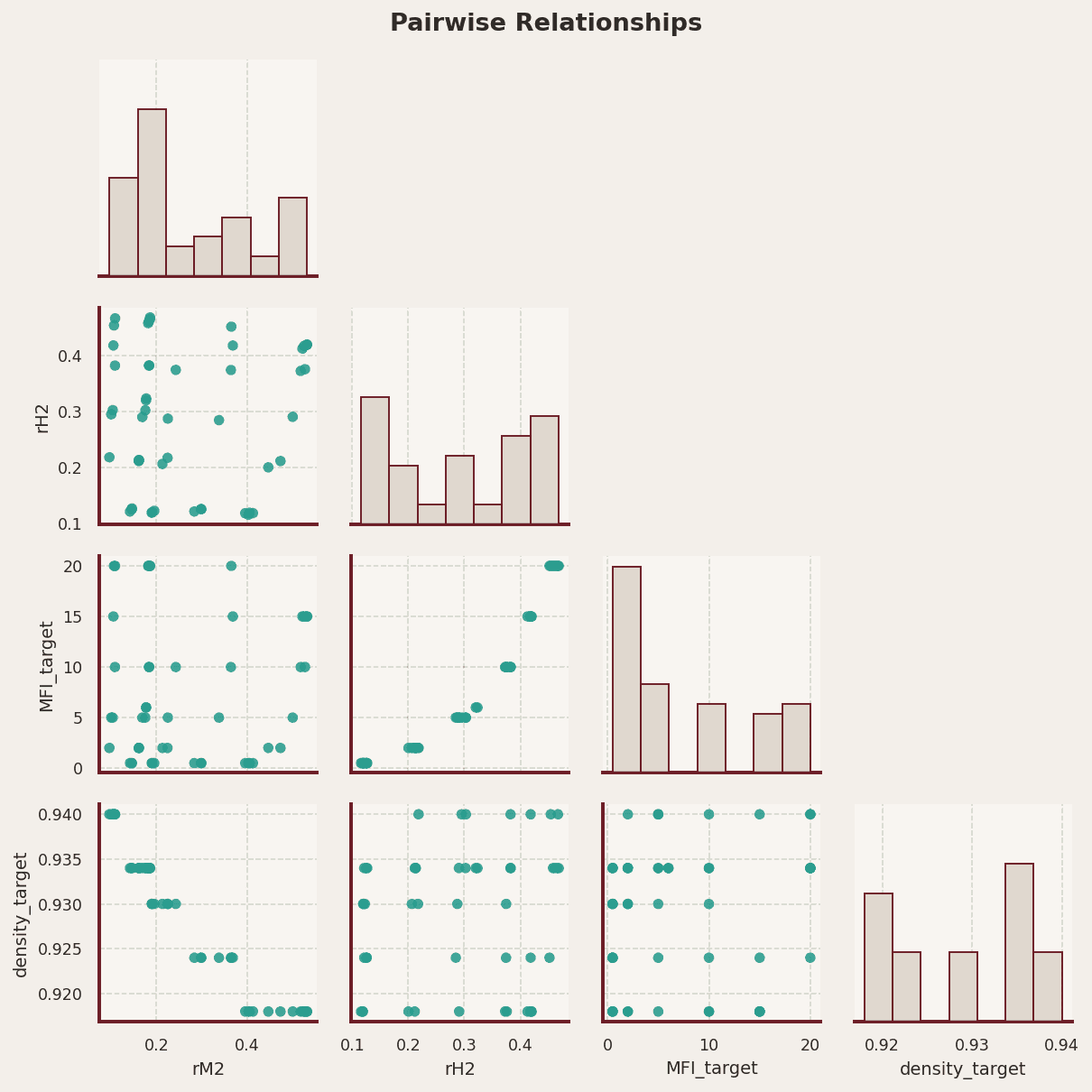
Control behavior, product quality, and energy efficiency are interconnected, requiring coordination across the plant to maintain stable operation.
Operating environments we support
Atlas works inside these environments to identify and correct performance drift within existing control systems.
These environments operate under changing feed conditions, equipment degradation, and shifting constraints, where small deviations can propagate quickly through the system.
Over time, performance drifts from its intended state and becomes normalized in operation, developing into instability, longer transitions, or increased reliance on manual intervention.
Patterns that emerge in operation
These patterns impact throughput, energy use, and product quality across the plant.
Reactor instability
Temperature, pressure, or reactor behavior begins to swing, leading to off-spec production, operating risk, or unstable upstream and downstream conditions.
Inefficient grade transitions
Transitions take longer than expected, with increased off-spec material and difficulty maintaining consistent product quality.
APC underperformance
Controllers move in and out of manual, responses become sluggish or unstable, and performance drifts as plant conditions change.
Fouling and heat transfer
Pressure drop increases and heat transfer becomes less effective, requiring more energy to maintain conditions and limiting process stability.
Operator-driven control
Control depends heavily on operator intervention, with manual adjustments required to maintain stability and manage changing process conditions.
Delayed or missing measurements
Key variables rely on lab results or estimation, limiting real-time visibility and delaying control actions needed to maintain product quality.